Updated by the Progyny Clinical Team — May 2025
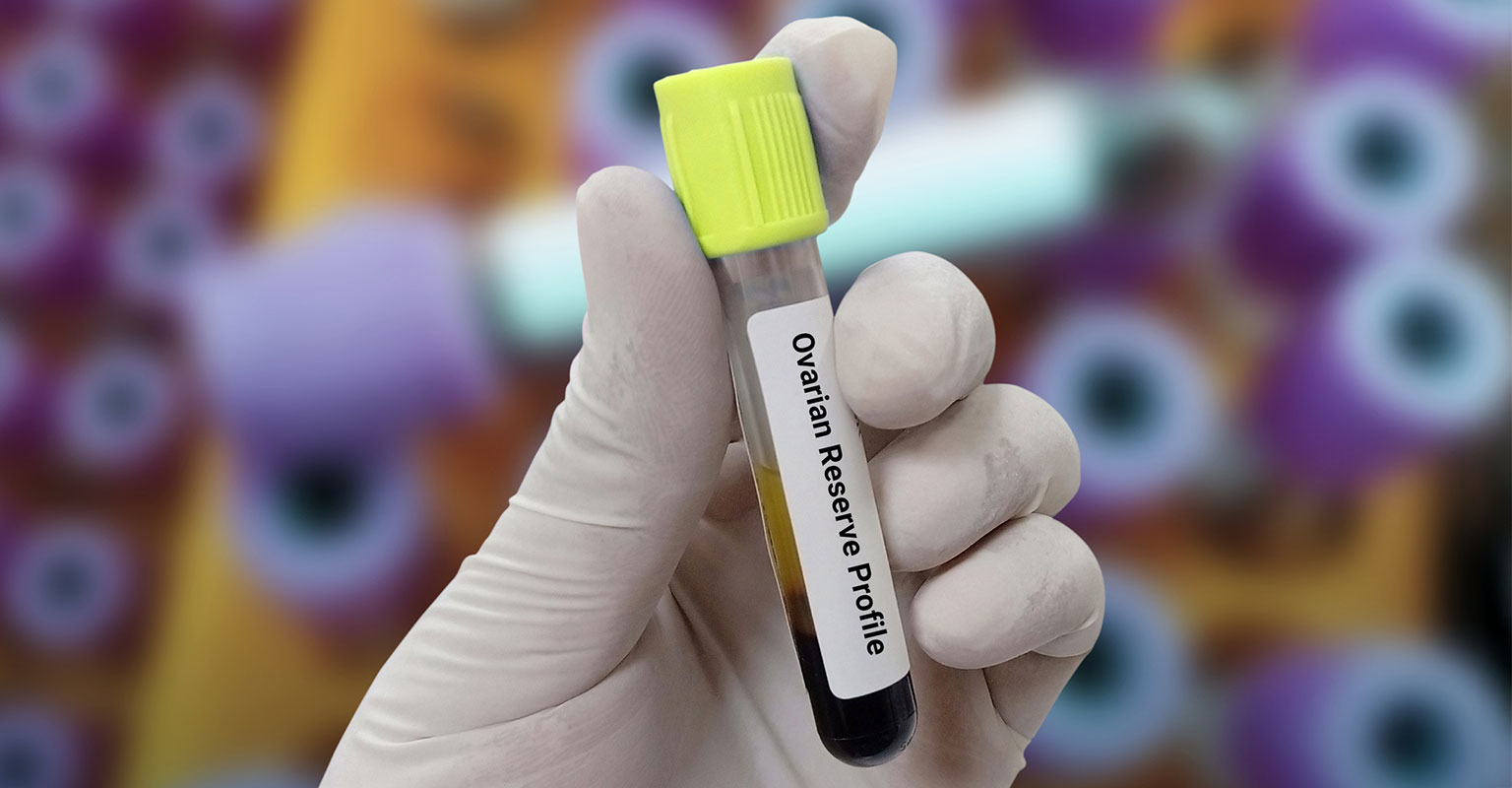
Ovarian reserve is the quality and quantity of a person’s eggs. There are three tests that doctors use to predict ovarian reserve: FSH, AMH, and AFC.
Infertility can be caused by a variety of factors, but luckily there are various screenings that can help diagnose issues. Results from an ovarian reserve test help determine how many eggs remain. It can also guide reproductive planning, such as in vitro fertilization (IVF) or egg freezing.
Follicle-stimulating hormone (FSH) screening
FSH is a hormone that stimulates the ovary to release an egg (ovulate). With diminished ovarian reserve, the ovary signals to the brain to produce higher quantities of FSH. Therefore, a high level of FSH likely indicates a low ovarian reserve.
The level of FSH in the body can fluctuate during the menstrual cycle and therefore FSH levels are usually tested on day 2 or 3 of a menstrual period.
Anti-Müllerian hormone (AMH) screening
AMH is thought to be a more reliable predictor of ovarian reserve. That’s because the levels stay mainly consistent throughout the menstrual cycle and can be tested on any day. The higher the AMH, in theory, the higher the number of eggs. The lower it is, the lower the number of eggs.
There are age-specific averages for AMH levels. It is important to know that AMH levels do not predict pregnancy success. AMH levels can predict response at the time of an egg freezing cycle or an IVF cycle.
In general, people who have higher AMH levels require less medicine for stimulation and often generate a larger quantity of eggs. AMH levels continue to drop as a person with a uterus ages, and trend toward “0” at the time of menopause.
Antral follicle count (AFC) screening
AFC is a measurement of antral follicles (also known as resting follicles) in the ovaries. Follicles are the fluid-filled structures in the ovary that contain and nourish eggs. The AFC is measured at the time of a transvaginal ultrasound. The total number of antral follicles observed can predict the response during an egg freezing or IVF cycle. It is best to have an AFC performed at the beginning of a menstrual cycle.
Conclusion
All three of these tests are important predictors of ovarian reserve and are completed at the time of an initial consultation with an infertility doctor. If a patient is contemplating egg freezing or having difficulty conceiving, it is best to seek care sooner rather than later.
Progyny is here for you. If you have any questions, please contact your Progyny Care Advocate for support.
Disclaimer: The information provided by Progyny is for educational purposes only and is not medical advice. Always consult a qualified healthcare provider for medical guidance.