Reviewed by the Progyny Clinical Team — March 2026.
If you’ve learned that your partner is at risk for preeclampsia, it can be an emotional experience for both of you. You may be wondering about the best ways to help.
We’ll go over what preeclampsia is and share ideas for supporting your partner — and yourself.
What is preeclampsia?
Preeclampsia is high blood pressure that starts during pregnancy or after childbirth. It may come on suddenly, and it usually begins:
- In the last few weeks of pregnancy (though it can start as early as 20 weeks)
- Up to 6 weeks after giving birth
With prompt diagnosis and treatment, most people with preeclampsia recover and have healthy babies.
But without proper treatment, preeclampsia may cause serious problems. This can include organ damage and seizures. For the baby, it may cause slowed growth or being born early. In severe cases, it may be life-threatening.
Know the warning signs. Be an advocate.
One of the most important things you can do is know the warning signs so your partner can get help quickly.
Preeclampsia doesn’t always cause symptoms. And sometimes people may downplay what they feel or think it’s a normal part of pregnancy.
If your partner has any of these warning signs, call their provider or 911. It’s always OK to call if anything just feels “off.”
Call their provider or 911 if your partner has:
- A bad headache that doesn’t go away
- Changes in vision (seeing spots or flashes of light, blurry vision, temporary loss of vision)
- Pain in their upper belly
- Nausea (throwing up or feeling sick to their stomach)
- Sudden swelling, especially in the face or hands
- Trouble breathing or chest pain
Provide support at checkups.
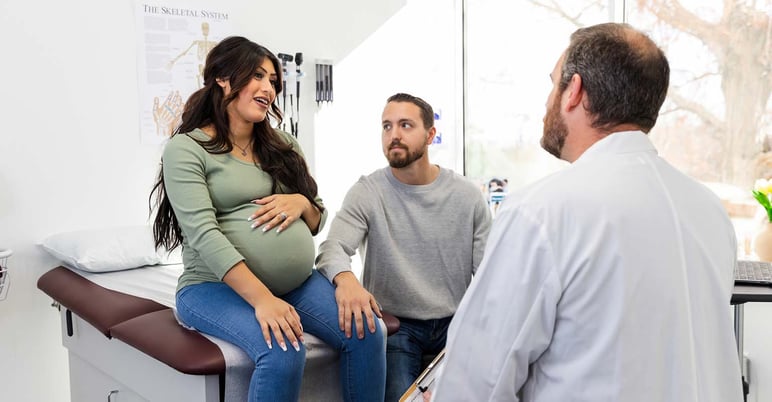
Your partner may have frequent checkups during pregnancy or after birth. Here are ideas for supporting them:
- Ask your partner if it would be helpful to go to checkups together.
- Give rides and help solve scheduling conflicts or other issues.
- Help take notes and bring questions to appointments.
- Ask the provider to explain things in another way if anything isn’t clear. You can ask questions like:
- “What is the next step for us to do?”
- “What are we watching for, and why?”
- “When do we call you, and when do we get emergency help?”
Help with the care plan at home.
Your partner and their healthcare team may have a care plan to help lower risk and spot signs of a problem early. You can play a key role in that plan.
Depending on what is recommended, you may help:
- Check blood pressure. Remind your partner to check their blood pressure at the same time every day.
- Know when to call. Learn the blood pressure cutoffs for when to call and when to get emergency help.
- Stay on track with medicine. Help your partner remember to take aspirin or other medicine as recommended.
- Take part in a healthy lifestyle. For example, you may cook and eat healthy meals together. Walking together (if advised) can help you both stay active and help manage stress.
Learn about birth possibilities.
If preeclampsia develops, the baby may need to be delivered early. This may mean using medication to induce labor or having the baby by C-section.
Things can change quickly. Here are a few ideas to consider as you get ready for the unexpected:
- Have the hospital bag packed and ready.
- Help sort out coverage plans for work, childcare, or pet care.
- Plan how you’ll communicate with loved ones.
Be on the lookout after birth.
Preeclampsia is still a risk after birth. Postpartum preeclampsia usually begins in the first 2 days after birth, but it may happen any time in the first 6 weeks. The signs are the same as during pregnancy.
When you go to appointments, always mention that your partner was recently pregnant.
Take care of yourself too.
Supporting someone who’s at risk for preeclampsia can be challenging. It often brings up a range of feelings.
Keep in mind, being strong and supportive doesn’t mean you need to do everything alone or hide your emotions.
- Share how you're doing with someone you trust — a therapist may also be a good option.
- Let people know how they can help. Often, people want to help but aren't sure how. It’s OK to ask directly and rely on your support network.
- Do something that grounds you every day. Ideas include physical activity, music, reading, or cooking. Whatever brings you moments of calm.
Your Progyny Care Advocate is also here to support you and your partner with resources and clinical guidance.
Explore related topics in this series:
- High blood pressure in pregnancy: Get informed to stay safe
- How to take your blood pressure at home
- Could preeclampsia affect my birth plan?
Disclaimer: The information provided by Progyny is for educational purposes only and is not medical advice. Always consult a qualified healthcare provider for medical guidance.