Written by the Progyny Editorial Team. Reviewed by the Progyny Clinical Team – June 2026.
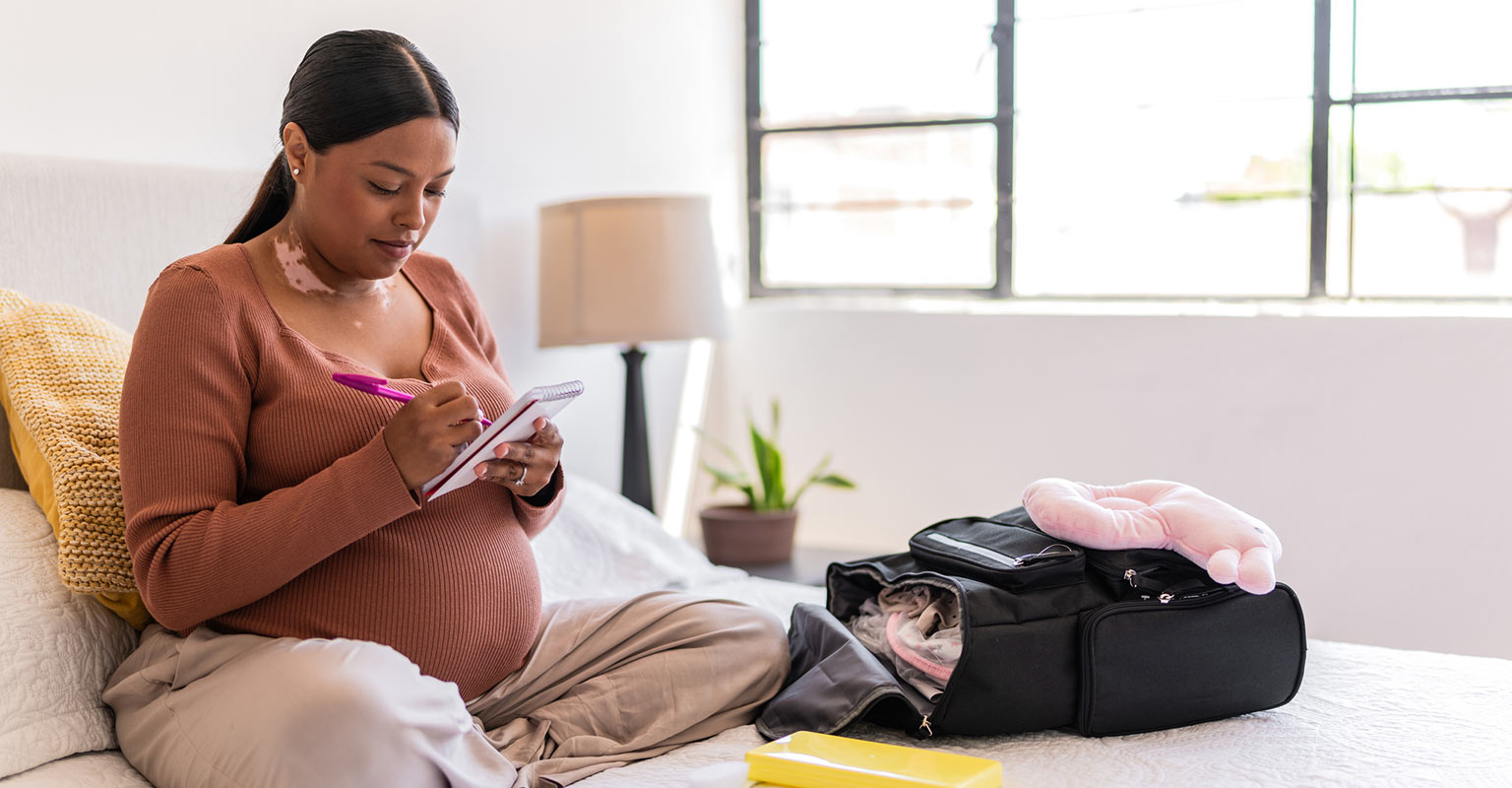
Packing your hospital bag is one way to get ready for labor, delivery, and your baby’s arrival. Having your essentials ready ahead of time can help you feel more prepared and organized.
Many people pack their hospital bag or “go bag” around 36 weeks of pregnancy, though the right timing depends on your pregnancy. If you have a high-risk pregnancy or an earlier-planned delivery, your healthcare provider may recommend packing sooner.
Remember, you don’t need to pack for every possibility. Most hospitals provide many of the basic supplies you’ll need during your stay. The goal is to bring the items that will help you stay comfortable while leaving some space for anything you bring home with you.
What to pack for yourself
Photo ID and insurance card
You’ll likely need these when you check in, so keep them somewhere that’s easy to reach.
Phone and charger
Your phone can help you stay connected with loved ones, listen to music or podcasts, take photos, or keep track of important information. A longer charging cable can be helpful if outlets aren’t close to your bed.
Comfortable clothes for going home
Choose loose, weather-appropriate clothing that feels comfortable after giving birth. Many people prefer soft, nonrestrictive clothing, such as their maternity clothes, for the trip home and for a few months postpartum.
Toiletries
A few familiar toiletries can help you feel refreshed during your stay. Consider packing:
☐ Toothbrush and toothpaste
☐ Deodorant
☐ Lip balm
☐ Hairbrush or comb
☐ Shampoo, conditioner, or body wash if you prefer your own products
Prescription medicines
Ask your provider whether you should bring any medicines with you. Make sure your care team knows about all prescription medicines, over-the-counter medicines, and supplements you take.
Glasses or contact lens supplies
If you wear glasses or contacts, pack what you’ll need during your stay, including a contact lens case and solution if applicable.
What to pack for your baby
Car seat
A rear-facing infant car seat is often required to take your baby home from the hospital.
Plus, every state has safety laws that require infants to be in a federally approved car seat when in a vehicle. Installing it before your due date can save time when it’s time to leave for the hospital.
Going-home outfit
Pack a comfortable outfit for your baby’s trip home. Depending on the weather, you may want to include an extra layer, socks, or a hat.
What your support person should pack
If a partner, family member, or friend will be with you during labor or after delivery, they may want to bring:
Phone and charger
Change of clothes
Toiletries
Snacks and a reusable water bottle, if permitted by the hospital
Any medicines they take regularly
Optional comfort items
These items aren’t essential, but many people find them helpful during their stay:
☐ A favorite pillow
☐ Hair ties or a headband
☐ Headphones, earbuds, or speakers
☐ A cozy blanket
☐ A printed copy of your birth wish list, if you’ve created one
What your hospital may already provide
Many hospitals provide supplies for both you and your baby, which may include:
- Diapers
- Baby wipes
- Mesh underwear
- Large sanitary pads
- A peri bottle
- Baby blankets
Because what’s provided varies from one hospital to another, it’s worth checking before you pack. Knowing what’s available can help you avoid bringing items you’ll already receive.
Check with your team before you pack
A quick call to your care team or hospital before your due date can answer common questions and help you feel more prepared for your stay. Consider asking:
- Which postpartum and newborn supplies are provided?
- Should I bring my own prescription medicines?
- Are snacks and drinks allowed for my support person?
- What are the current visitor policies?
- What feeding support is available after birth, including lactation services?
- What postpartum recovery resources are available before I go home?
- Are there things I should not bring with me?
Key takeaways
Packing your hospital bag doesn’t have to be complicated. Start with the essentials for you and your baby, then add a few comfort items if you’d like. With a little planning, you’ll have one less thing to think about when it’s time to go to the hospital.
If you have questions, Progyny is here for you. Please contact your Progyny Care Advocate for support.
Disclaimer: The information provided by Progyny is for educational purposes only and is not medical advice. Always consult a qualified healthcare provider for medical guidance.