Written by the Progyny Editorial Team. Reviewed by the Progyny Clinical Team — March 2026.
There are so many exciting aspects of pregnancy and having a baby. One area that’s harder to think about is problems to look out for. Fortunately, knowing the basics and talking with your provider can help protect your health and your baby’s health.
Let’s talk about preeclampsia, a type of high blood pressure that happens during pregnancy or after childbirth. It affects up to 1 in 12 pregnancies and has become more common over time – so getting informed is important.
We’ll go over the basics together. Your healthcare team is at your side throughout pregnancy and afterwards to support you.
What is preeclampsia?
Preeclampsia is high blood pressure that starts during pregnancy or after childbirth. It may come on suddenly, and it usually begins:
- In the last few weeks of pregnancy (though it can start as early as 20 weeks)
- Up to 6 weeks after giving birth
With prompt diagnosis and treatment, most people with preeclampsia recover and have healthy babies.
But without proper treatment, preeclampsia may cause serious problems. This can include organ damage (such as the kidneys, liver, lungs, or brain) and seizures. For the baby, it may cause slowed growth or being born early. In severe cases, it may be life-threatening.
This can be hard to think about, but learning more puts you in a powerful position.
Am I at risk?
Preeclampsia can happen to anyone, although some people have a higher risk. Risk factors include:
Personal risk factors
- Age 35 or older
- Body mass index (BMI) of 30 or more before pregnancy
- Mother or sister had preeclampsia
- Being Black, Native American, or Alaska Native
- Having a lower income
Pregnancy-related risk factors
- Had preeclampsia in a pregnancy before
- This is your first pregnancy
- Carrying multiples (twins or more)
- Used in vitro fertilization (IVF) to become pregnant
Health-related risk factors
- Chronic high blood pressure
- Diabetes or gestational diabetes (diabetes during pregnancy)
- Kidney disease
- Autoimmune disease such as lupus
In this video, Dr. Thomas Kishkovich, maternal-fetal medicine specialist at Columbia University Medical Center, talks about lowering your risk for preeclampsia.
Know the warning signs.
You may not feel any symptoms with preeclampsia. Often, you can’t feel high blood pressure.
This is why your appointments during and after pregnancy are key. It’s a chance for your healthcare provider to check your blood pressure and urine to make sure you and the baby are doing well.
Sometimes, preeclampsia does have warning signs. If you have any of these, get medical help right away. It’s always OK to call if anything just feels “off.”
Call your provider or 911 if you have:
- A bad headache that doesn’t go away
- Changes in vision (seeing spots or flashes of light, blurry vision, temporary loss of vision)
- Pain in your upper belly
- Nausea (throwing up or feeling sick to your stomach)
- Sudden swelling, especially in your face or hands
- Trouble breathing or chest pain
Some of these (like swelling or headaches) may be similar to symptoms that can happen during pregnancy. For your safety, always call if you have any of these symptoms.
Diagnosing preeclampsia
Preeclampsia is diagnosed if blood pressure is 140/90 or higher. It’s high if either the top (systolic blood pressure) or the bottom (diastolic blood pressure) number is high.
Your provider may also check for protein in the urine, a sign that the kidneys have been affected by high blood pressure. Blood work may show other signs of preeclampsia.
What can I do?
Be sure to go to all your pregnancy and postpartum appointments. By working closely with your healthcare team, you’re taking big steps to keep yourself and your baby healthy.
To lower your risk, your doctor may recommend that you:
- Start low-dose aspirin between 12 and 16 weeks of pregnancy. This has been shown to reduce preeclampsia risk.
- Take other medicine as prescribed to help manage blood pressure or other conditions.
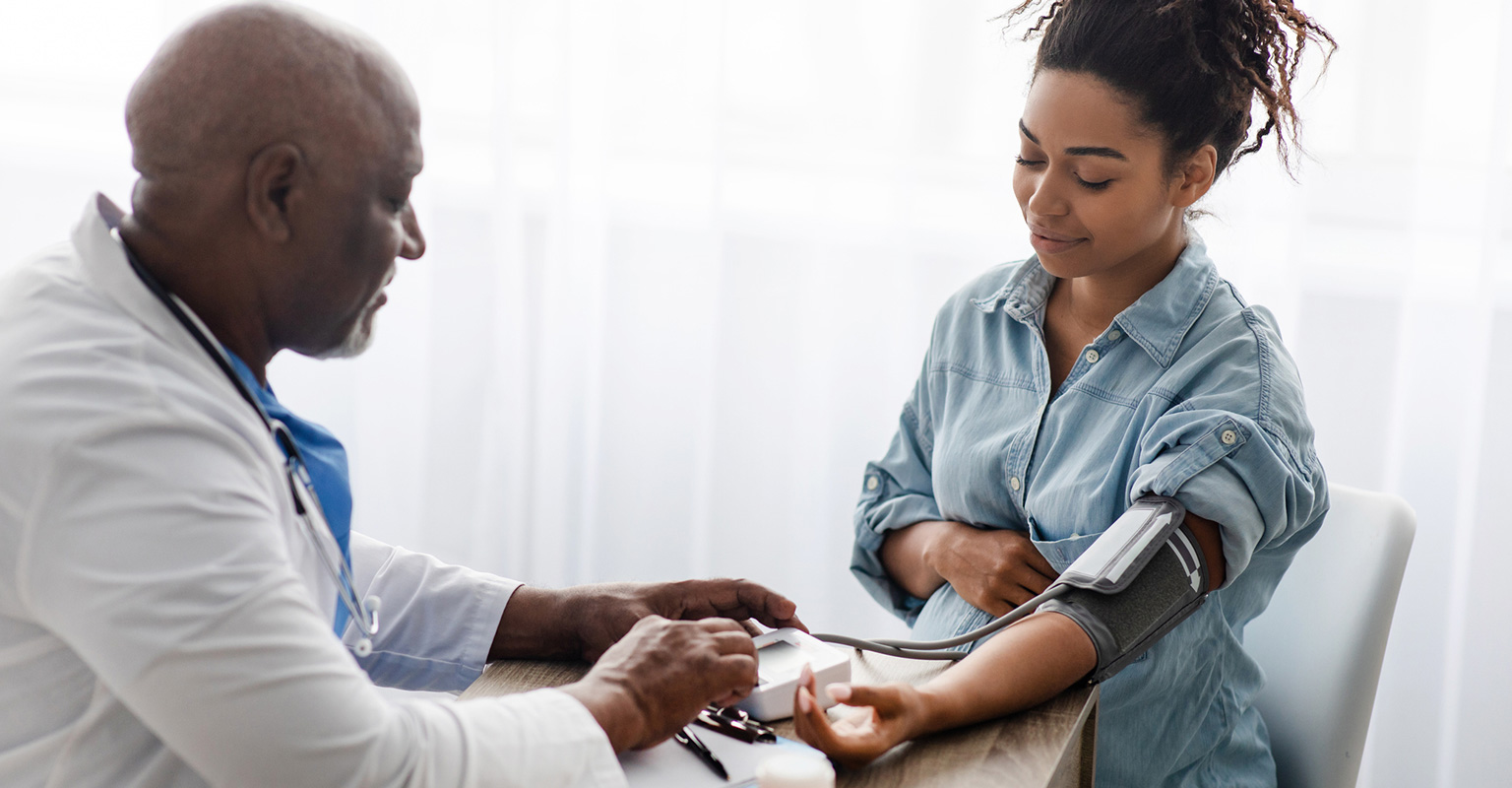
- Check your blood pressure at home. Your team will show you how to do this and go over what to look for.
- Eat balanced meals rich in fiber, potassium, protein, fruits, and vegetables – and low in salt, sugar, and saturated fat.
- Stay physically active. It has many benefits for your health and pregnancy, including lower risk of preeclampsia.
- Chestfeed your baby if you can. Studies show this may lower your risk of heart disease.
Sometimes, preeclampsia needs to be managed in the hospital, and it’s possible for the baby to be delivered early.
Preeclampsia often goes away after birth. But you are still at risk after having the baby. Listen to your body and call your provider if you have any warning signs.
Your takeaway
You can take steps to help lower your risk and catch preeclampsia early, and your healthcare team is here to support you. Your Progyny Care Advocate is also available to answer questions and help you get ready for your upcoming visits.
Explore related topics in this series:
Disclaimer: The information provided by Progyny is for educational purposes only and is not medical advice. Always consult a qualified healthcare provider for medical guidance.