
Written by the Progyny Editorial Team. Reviewed by the Progyny Clinical Team — February 2026.
You may have heard more people talking about GLP-1 medicines lately. Here’s what they are and what to know.
What is a GLP-1?
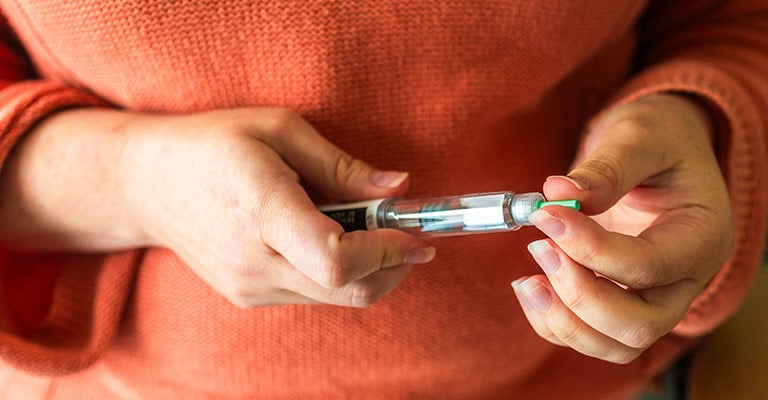
Glucagon-like peptide 1 (GLP-1) is a hormone your body naturally makes to help lower blood sugar. GLP-1 medicines mimic this hormone and have been used to help lower blood sugar in people with diabetes. Some have been approved to treat obesity as well.
Below is a list of commonly prescribed GLP-1s and their FDA-approved uses:
| Brand (generic) name | Approved to treat | How taken |
|---|---|---|
| Foundayo (orforglipron) | Obesity | Daily pill |
| Mounjaro (tirzepatide) | Type 2 diabetes | Weekly injection |
| Ozempic (semaglutide) | Type 2 diabetes | Weekly injection |
| Rybelsus (semaglutide) | Type 2 diabetes | Daily pill |
| Trulicity (dulaglutide) | Type 2 diabetes | Weekly injection |
| Victoza (liraglutide) | Type 2 diabetes | Daily injection |
| Wegovy (semaglutide) | Obesity | Weekly injection, daily pill |
| Zepbound (tirzepatide*) | Obesity | Weekly injection |
*Tirzepatide acts on more than one hormone receptor, including the GLP-1 hormone.
When GLP-1s may be considered
GLP-1s were originally developed to help treat type 2 diabetes. Some are also approved to treat obesity in people who meet certain medical criteria:
- Obesity (having a body mass index (BMI) of 30 or higher)
OR - Overweight (having a BMI of 27 or higher) with a weight-related health issue such as high cholesterol, high blood pressure, or type 2 diabetes
Research has found some GLP-1s may help reduce the risk of:
- Heart attack, stroke, and death in adults with type 2 diabetes and heart disease
- Chronic kidney disease
In addition, some GLP-1s have been approved to treat moderate to severe sleep apnea in adults with obesity.
How do GLP-1s work?
GLP-1s help manage blood sugar in a few ways. For example, they:
- Help the body make more insulin in response to high blood sugar. (Insulin is a hormone that lowers blood sugar.)
- Help the body regulate how much sugar is made and released.
- Slow digestion, which steadies the amount of sugar released from food into the body after eating.
GLP-1s also work on parts of the brain that process hunger and how full you feel. As a result, GLP-1s have been shown to lower hunger, appetite, and food intake.
What results can I expect?
While GLP-1s can help, they are meant to be used with a healthy eating plan and regular exercise. Together, you and your healthcare provider will determine a treatment plan that works best for you.
Studies show that many people taking a GLP-1 lose about 10% to 15% of their body weight over several months. (For a 200-pound person, that means losing about 20 to 30 pounds.) Some people may lose up to 20%, but results vary based on a number of factors.
GLP-1s are not a magic bullet for weight loss and blood sugar management, and some people may regain weight after they stop taking GLP-1s. Building healthy habits around eating, physical activity, and stress management can help keep your progress going.
Nutrition
Because GLP-1s can change appetite and eating patterns, working with a registered dietitian or healthcare provider can help ensure you are getting enough nutrients, maintaining stable energy levels, and building habits that support long-term health.
These habits become especially important when the medicine is paused, tapered, or stopped, since hunger cues and appetite may change.
How long do people take GLP-1s?
People use GLP-1s for different lengths of time.
- Some people with type 2 diabetes may use them long-term to help manage blood sugar.
- For others, the length of treatment can depend on factors like how well the medicine works, side effects, cost, and personal health goals.
The dose may need to be adjusted during treatment, and some may pause or slowly taper off the medicine at different points. Your healthcare provider will guide you through any dose changes or help you taper off the medicine.
Side effects and considerations
Some of the commonly reported side effects of GLP-1s may include:
- Nausea
- Diarrhea
- Vomiting
- Stomach pain
If symptoms are severe or don’t go away, talk to your healthcare provider.
GLP-1 medications may not be right for everyone. As with any medicine, GLP-1s come with potential risks. A healthcare provider can help assess whether these medicines are right for you based on your health history, current conditions, and overall treatment goals.
It is important to note: GLP-1s are not recommended during pregnancy. If you’re planning to conceive, discuss timing with your healthcare provider.
GLP-1s and insurance coverage
Coverage for GLP-1s varies widely across health plans. These medicines can be expensive (sometimes over $1,000 a month). Often, they’re only covered if they are prescribed for an FDA-approved use, such as type 2 diabetes or obesity that meets certain criteria.
To understand what your plan includes, you can:
- Review your insurance formulary (the list of covered medicines)
- Call your health plan to ask about coverage requirements, prior authorizations, or eligibility criteria
Be sure to ask your healthcare provider and pharmacist any questions you have. Your Progyny Care Advocate is also available to help you prepare for conversations with your healthcare team.
Disclaimer: The information provided by Progyny is for educational purposes only and is not medical advice. Always consult a qualified healthcare provider for medical guidance.