Written by the Progyny Editorial Team. Reviewed by the Progyny Clinical Team — April 2026.
If you have preeclampsia or if you’re at risk, it’s a good idea to know how preeclampsia may be managed.
Most people with preeclampsia recover without any issues and have healthy babies. But preeclampsia can affect your pregnancy, childbirth, and postpartum recovery, and it’s helpful to learn more.
A team-based approach
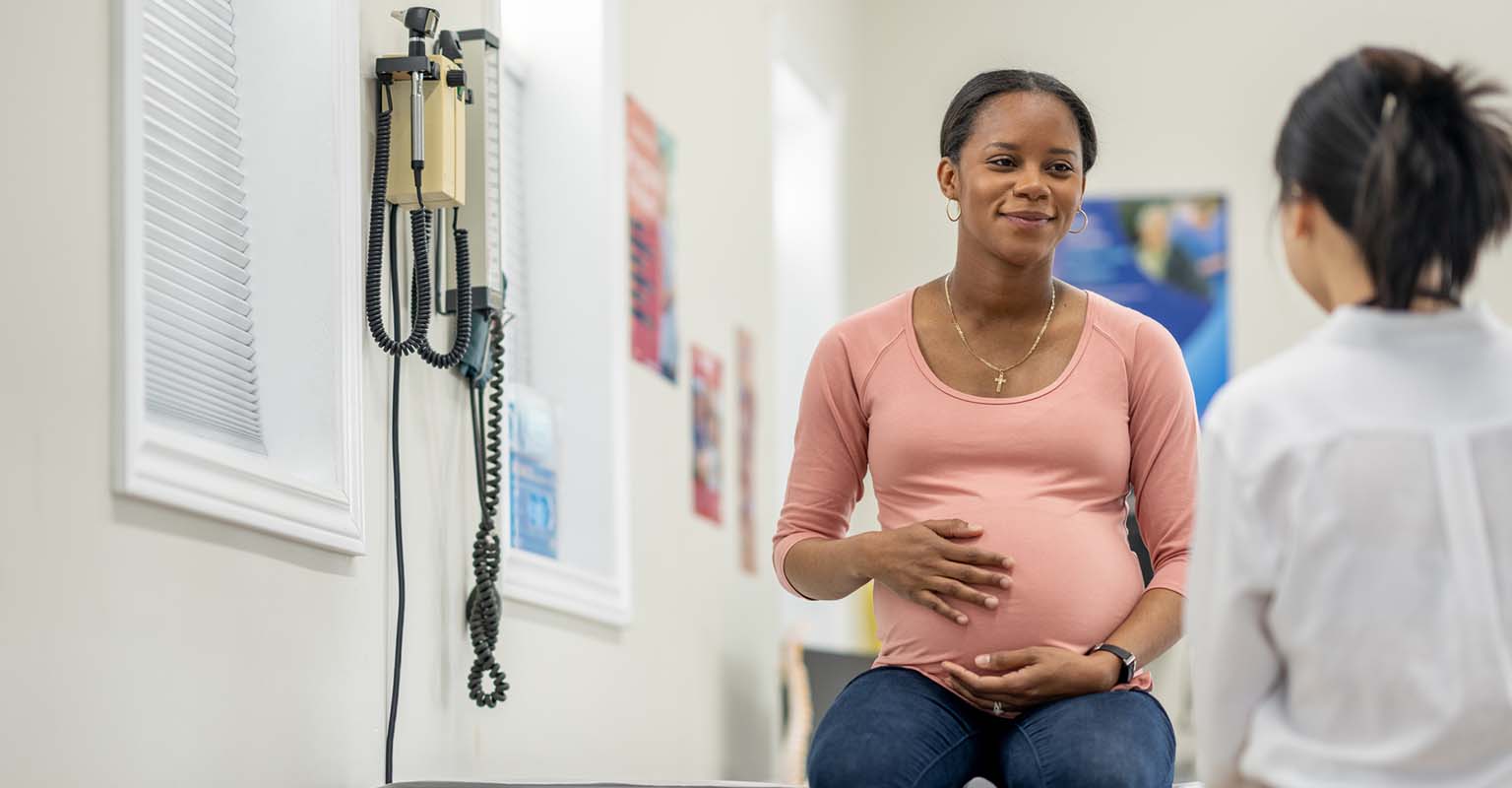
Your healthcare team will work closely to guide and support you. People with preeclampsia may see different healthcare providers, who may include:
- Your OB/GYN or midwife for ongoing care
- A maternal-fetal medicine specialist with expertise in high-risk pregnancies
- A neonatologist who specializes in the care of babies who are born early or have special health needs
- Nurses who provide care and education
Your plan will be tailored to you.
Your healthcare team will decide how to manage preeclampsia based on:
- How severe the preeclampsia is
- How far along you are in the pregnancy
- Your health and the baby’s health
In this video, Dr. Thomas Kishkovich, maternal-fetal medicine specialist at Columbia University Medical Center, explains how your team will be there to support you.
Before 37 weeks of pregnancy
If preeclampsia starts before 37 weeks, you and your provider may work on a plan that delays delivery as long as possible, while keeping you safe.
To keep a close eye on how you’re doing, you’ll have checkups frequently – sometimes weekly or more. These visits are a chance to:
- Monitor your blood pressure and symptoms
- Test your urine for protein
- Get blood work, including for the kidneys and liver
- Do other tests if needed, such as ultrasounds or checking the baby’s heart rate
- Talk about your questions and how you’re feeling
Your provider may also recommend that you:
- Take medicine as prescribed. This may include medicine to lower blood pressure.
- Check your blood pressure at home. Your team will show you how to do this and go over what to look for.
- Reduce physical activity. Bed rest is generally not recommended, but your provider may ask you to reduce your activity.
- Pay attention to your baby’s movement. Ask your provider if they recommend kick counts to track changes in your baby’s movement.
- Choose nutritious foods. You can ask if supplements such as vitamin D or calcium may be helpful for you. It’s interesting to know that preeclampsia is not managed by lowering salt, the way “regular” high blood pressure is.
Sometimes, more serious preeclampsia may need to be managed in the hospital and require additional medication. For example, magnesium, an intravenous (IV) medication, may be given to help prevent seizures. Steroids may be given (typically as an injection) to help the baby’s development.
It’s possible to need an early delivery for your health and safety. The timing of delivery depends on how severe the preeclampsia is and how you and your baby are doing.
Week 37 and after
When preeclampsia is diagnosed after 37 weeks, delivery is generally recommended.
Having preeclampsia doesn’t necessarily mean you’ll need to have a C-section. The safest way to deliver depends on your health and your baby’s health, how severe the preeclampsia is, and how far along in the pregnancy you are.
You and your provider will talk about the safest way to deliver, and you’ll work together to make a plan that’s right for you.
Here’s Dr. Kishkovich explaining a bit more about how preeclampsia is managed.
After delivery
After delivery, your team will continue to monitor your blood pressure.
Some people may be prescribed medicine to keep blood pressure in a safe range. These medicines are often decreased and stopped by the 6-week visit. Your provider will choose medicine that is safe for chestfeeding.
When you go home, it’s important to continue checking your blood pressure. Your team will show you how to do this and go over what to look for.
Postpartum preeclampsia
Preeclampsia can happen for up to 6 weeks after birth, and is more likely in the first week.
Your team will monitor you carefully while you’re in the hospital. If you have any signs of preeclampsia when you’re back home, let your provider know right away. You may need treatment in the hospital.
Know the warning signs.
You may not feel any symptoms with preeclampsia. Often, you can’t feel high blood pressure.
Sometimes, preeclampsia does have warning signs. If you have any of these, get medical help right away. It’s always OK to call if anything just feels “off.”
Call your provider or 911 if you have:
- A bad headache that doesn’t go away
- Changes in vision (seeing spots or flashes of light, blurry vision, temporary loss of vision)
- Pain in your upper belly
- Nausea (throwing up or feeling sick to your stomach)
- Sudden swelling, especially in your face or hands
- Trouble breathing or chest pain
Some of these (like swelling or headaches) may be similar to symptoms that can happen during pregnancy. For your safety, always call if you have any of these symptoms.
You’re not alone.
Your healthcare team is here for you every step of your pregnancy and recovery after birth. For extra help, information, and support, reach out to your Progyny Care Advocate. You always have a team behind you as you manage preeclampsia and take steps to stay healthy.
Explore related topics in this series:
- Could preeclampsia affect my birth plan?
- Recovery after preeclampsia
- How can preeclampsia affect my future health?
- How to take your blood pressure at home
Disclaimer: The information provided by Progyny is for educational purposes only and is not medical advice. Always consult a qualified healthcare provider for medical guidance.