


Episode 114: Fertility 101: PCOS
The Fertility 101 Series, because there’s no shortage of daunting terms to keep your mind running, is a quick and dirty breakdown on a specific topic with insights from a fertility expert.
In today’s episode, we discuss PCOS and the challenges that come with it. Dr. Todd Deutch from Advanced Reproductive Center educates us on the causes of PCOS, treatment options, and how PCOS impacts fertility and family building.
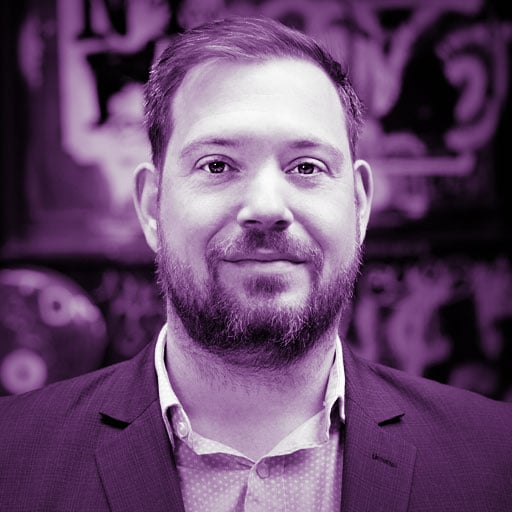
Guest: Dr. Todd Deutch, Advanced Reproductive Center
Host: Dan Bulger
For more information, visit Progyny’s Podcast page and Progyny’s Education page for more resources.
For more episodes around PCOS, check out series:
- Episode 13: PCOS and Fertility: Getting Pregnant with PCOS
- Episode 14: PCOS and Fertility: Creating Awareness about PCOS
- Episode 15: PCOS and Fertility: When the PCOS Symptoms Don’t Match
- Episode 49: PCOS and Fertility: Why it’s a Serious Challenge to Get Pregnant with PCOS
- Episode 50: PCOS and Fertility: How Certain Foods Can Help with PCOS Symptoms
- Episode 51: PCOS and Fertility: An IVF Baby After Ectopic Pregnancies
- Episode 82: PCOS and Fertility: An early diagnosis, IUIs, IVF, and Baby Liv
Be sure to follow us on Instagram, @ThisisInfertilityPodcast and use the #ThisisInfertility.
Have a question, comment, or want to share your story? Email us at thisisinfertility@progyny.com.
Here are some highlights from this episode:
The two biggest misconceptions with PCOS
15:40 – 16:46
Dr. Todd Deutch: One is that everyone who has irregular cycles has PCOS. Obviously, that’s not true. It’s the most common cause of irregular menstrual cycles but it doesn’t mean that it’s the cause because anybody can have irregular menstrual cycles. So, anyone who has irregular menstrual cycles, really needs a workup to understand why their cycles are irregular, and make sure that we’re treating the right underlying etiology. The other thing that I would say is that with PCOS, it comes in many different forms. There’s not one specific package that people fall into, from a phenotypic situation. There are women from all different body types that can fall into the PCOS category. So just because someone has a normal BMI or an elevated BMI, that doesn’t mean that they do or do not have PCOS; we have to look at these other factors.
Normalizing the diagnosis
16:56 – 17:49
Dr. Todd Deutch: People with PCOS are not alone. I think with any medical condition, it’s tempting to feel like you’re the only one experiencing those symptoms and sometimes people can get ashamed or upset by the fact that they’re dealing with these issues. But obviously, we all have different medical conditions, no one’s perfect. I think it’s important to keep in mind that not only does everyone have things that they’re dealing with, but that this is a fairly common disorder. So, there are really good ways to get help that are out there, whether it’s someone who’s trying to get pregnant or whether it’s someone who’s not getting pregnant. We also need to be aware of the psychological aspects, such as depression and anxiety that come along with this and that we have resources to treat that as well.