Originally published in 2023. Updated November 2026.
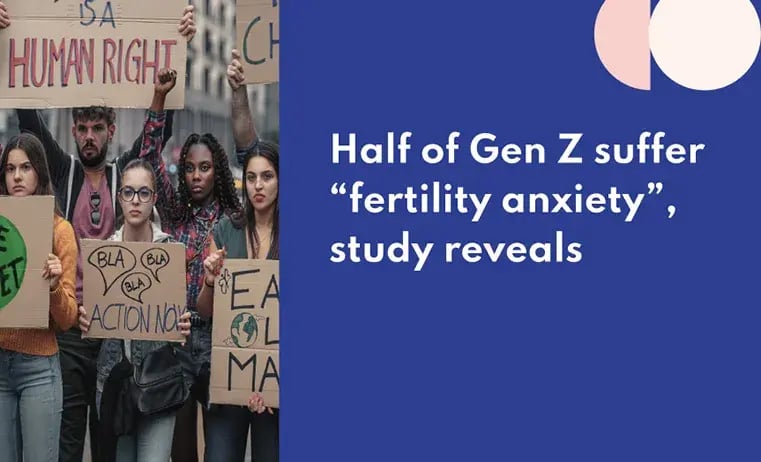
Fertility is on young people’s minds earlier than many employers realize. In a 2023 survey of 2,000 UK adults by Apryl — now Progyny Global — almost half (48%) of 16 to 24 year olds said they worry about their future fertility, and one in five would turn to social media first for answers. For benefits leaders, it’s a clear signal: the next generation of talent wants trusted fertility support, and they want it from their employer.
The findings at a glance
Among the youngest respondents, aged 16 to 24, worry about fertility was widespread — and many were unsure where to turn for reliable information.
|
Finding |
Share of 16–24 year olds |
|
Worried about their future fertility |
48% |
|
“Very worried” |
17% |
|
“Somewhat worried” |
31% |
|
Would go to social media or online search first |
21% |
|
Would go to NHS fertility services first |
27% |
|
Would go to the NHS website first |
18% |
Interest in preserving fertility was high, too. Two thirds of adults aged 18 to 34 said they would consider freezing their eggs, sperm, or embryos if they could afford it, and more than a fifth of Gen Z workers said they were interested in fertility and family building support through work.
The social media gap
Schools teach sex education, but spend little time on fertility. That leaves many young people unsure when the “right” time to plan a family is — and worried about leaving it too late.
Social media fills the gap. Fertility hashtags such as #ttccommunity (“trying to conceive”) had been viewed more than a billion times on TikTok at the time of the survey. Some of that content comes from qualified clinicians; much of it does not, and none of it is fact-checked.
Experts agree that understanding fertility and planning ahead is smart, but anxiety isn’t necessary. When questions come up, the best source is a qualified clinician who understands each person’s circumstances.
What this means for employers
Fertility worries don’t stay at home. They show up at work as stress and distraction, and can influence where people choose to build their careers. Employers can respond in three practical ways:
- Offer expert, confidential education so employees get answers from clinicians, not social media.
- Provide fertility benefits that cover testing, egg freezing, and treatment, so cost isn’t the deciding factor.
- Talk about fertility openly in benefits communications, so younger employees know support exists before they need it.
Infertility is common — the World Health Organization estimates that around 1 in 6 people worldwide experience it in their lifetime — so support is relevant to every workforce.
How Progyny Global supports employees
Progyny Global gives employees in 175+ countries access to expert guidance, education, and fertility, family building, and women’s health benefits, adapted to each country’s healthcare system. Our Progyny Care Advocates help members understand their options in their preferred language.
Frequently asked questions
How many young people worry about their fertility?
In our 2023 survey of 2,000 UK adults, 48% of 16 to 24 year olds said they were worried about their future fertility, and 17% were “very worried.”
Where do young people look for fertility advice?
About a fifth (21%) said they would turn to social media or online search first. Just over a quarter (27%) would go to NHS fertility services.
Is fertility advice on social media reliable?
Some is shared by qualified clinicians, but much is not, and it isn’t fact-checked. Experts recommend speaking to a clinician who can give personalized advice.
How can employers support employees worried about fertility?
By offering confidential access to fertility experts and education, and fertility benefits that cover testing, egg freezing, and treatment.